7 Best Foya Solar Battery Options for Global Buyers
Choosing a solar battery is about more than headline capacity. Buyers need to match storage, output, and charging behavior with their solar system and daily energy use. A Foya Solar Battery may suit one installation well, yet prove unsuitable for another. The difference can come down to inverter compatibility, available space, temperature, or backup requirements.
This guide reviews seven Foya solar battery options for buyers comparing products across different markets. It focuses on practical details: usable capacity, battery chemistry, voltage, cycle-life claims, installation needs, warranty terms, and access to local support. Product specifications and availability can change, so confirm current information with Foya or an authorized seller before purchasing. That matters.
A brochure cannot tell the whole story. Real performance also depends on system design, operating conditions, and how consistently the battery is maintained. We cannot assume every listed figure has been verified through independent laboratory testing. That deserves a closer look. Use the comparisons as a starting point, then check the datasheet, certifications, and warranty conditions for your region. The strongest option is not always the largest or least expensive. It is the one that fits your system, budget, and expected backup needs without relying on vague claims.
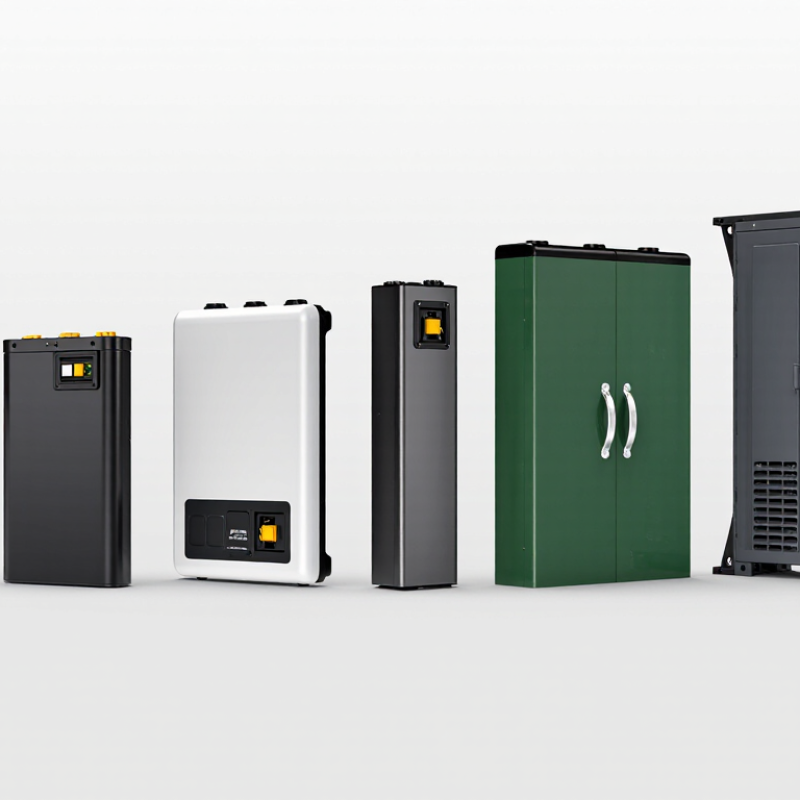
Understanding Foya Solar Batteries and Their Core Features
A solar battery stores excess daytime electricity for evening use or outages. Its usable capacity, measured in kilowatt-hours, indicates how much energy is available. Power, measured in kilowatts, determines how many appliances can run at once. These figures are not interchangeable. A 5 kWh battery may not support a large appliance if its power rating is low. Chemistry, cycle life, depth of discharge, and the battery management system also affect performance and service life.
Compatibility matters. The battery must work with the system’s inverter, charging limits, and local grid conditions. Lithium iron phosphate batteries are often selected for their thermal stability and long cycle life, but performance still depends on product design and operating temperature. IRENA’s Renewable Power Generation Costs in 2023 reported an 89% decline in utility-scale battery storage project costs between 2010 and 2023. That trend offers context, not a guarantee of lower household prices. A neat specification sheet can still hide awkward installation limits.
Tips: Compare usable capacity, continuous power, warranty terms, and temperature range—not just the headline capacity. Ask whether backup power requires extra equipment. Heat matters. Cold does too. Check the installer’s sizing assumptions against your actual evening use; estimates can be imperfect.
Solar Battery Options for Global Buyers: Understanding Core Features
Indicative cycle-life ranges by battery chemistry
Cycle life is the approximate number of charge-discharge cycles before a battery reaches its specified end-of-life capacity. Actual results vary with depth of discharge, temperature, charging practices, and product design; compare specifications under the same test conditions.
Key Factors for Evaluating Foya Battery Options
Choosing a solar battery is less about the largest capacity number and more about how it fits a real system. Check the battery’s nominal and usable capacity, then compare both with evening loads and expected backup time. A refrigerator, several lights, and a router may need steady overnight power, not just a brief surge. Check continuous and peak output too. They are different ratings.
Chemistry affects weight, charging behavior, and expected service life. Compare cycle-life claims only when the stated depth of discharge and test temperature are clear. The figures can look impressive without matching your installation. Check voltage compatibility, inverter communication, and the battery management system’s protection features. Ask how the unit behaves during low temperatures or repeated high loads. Details matter.
A neat spreadsheet can still mislead. Review the warranty terms, installation instructions, and local service arrangements before comparing prices. Confirm whether the quoted capacity is usable, and whether cables or monitoring equipment are included. If two options seem nearly identical, request their technical datasheets and compare the same test conditions. Small differences add up. Reliability is not a single number; it depends on the whole setup, including wiring, ventilation, and daily charging patterns.
Seven Foya Solar Battery Options for Global Buyers
Global buyers can compare seven solar battery options by matching voltage, storage needs, and local service access. A compact 12-volt lithium iron phosphate battery suits small cabins and lighting systems. A 24-volt unit can serve medium-sized off-grid setups. For many homes, a 48-volt model pairs more readily with higher-power inverters. Check the inverter’s voltage range before ordering. A mismatch can delay installation.
A modular lithium iron phosphate system lets users add capacity as demand grows. A high-voltage battery stack may suit compatible hybrid inverters and larger installations, but it requires careful system design. AGM batteries can offer a lower upfront cost for occasional backup. Gel batteries may fit remote sites where routine maintenance is difficult. Neither lead-acid option should be selected by price alone. Usable capacity and expected replacement needs matter.
Compare the seven options against daily energy use, peak load, and backup hours. Ask for the usable-capacity figure, not only the advertised capacity. Confirm that the battery management system supports the inverter and charging equipment. Hot storage rooms can shorten battery life; cold conditions can limit charging. Local support matters, too. A technically suitable battery may still be a poor choice if replacement parts are hard to obtain. I would not assume one configuration fits every market. Check warranty terms and applicable product certifications in the destination country.
Comparing Capacity, Compatibility, and Performance
Start with your load
Choosing among seven solar battery options starts with the load, not the biggest capacity figure. A compact 12-volt, 100-amp-hour unit may suit lights, routers, and a small fridge. A 24-volt model can reduce current in a modest off-grid system. For larger inverters, 48-volt options often offer a more practical match. Check the inverter’s voltage range and charging profile before comparing prices.
Capacity and usable energy
Capacity changes the picture. A 48-volt, 50-amp-hour battery favors limited daily use; 100-amp-hour models provide more reserve, while 200-amp-hour units can support heavier loads. Modular stacks offer room to expand. High-current models may better handle brief appliance surges. Yet nominal capacity is not the whole story. Usable energy, continuous discharge limits, and temperature behavior matter too. Read the specifications closely.
Check compatibility in real use
Compatibility can be fussy. Confirm cable requirements, communication protocols, and whether the charger supports the battery chemistry. Two batteries with similar capacity may perform differently under the same load. In field comparisons, a kettle or pump can expose limits that a phone charger will not. Real use varies. I would also leave some capacity unused; sizing to the last watt-hour looks neat on paper, but daily demand rarely behaves so neatly.
Matching a Foya Battery to Your Energy Needs
Matching a home battery to energy needs starts with the loads it must support. List essential appliances, their wattage, and expected hours of use. A refrigerator, router, and several lights may need far less power than an electric range or well pump. Start with the loads. Decide whether the goal is overnight bill reduction, short outages, or longer backup; each calls for a different balance of capacity and output. The U.S. Energy Information Administration reported average residential electricity use of 10,791 kWh in 2022, about 29.6 kWh per day. Treat that as context, not a household target: climate, heating, and daily habits change the number considerably.
Check usable capacity, continuous power, and surge capability separately. A battery may store enough energy on paper but still struggle to start a pump or run several appliances together. NREL’s 2024 Annual Technology Baseline uses an 85% round-trip efficiency assumption for utility-scale battery storage; actual home-system results vary with equipment and operating conditions. Allow for those losses when estimating solar energy needed to recharge. Consider cloudy-day production, too. A compact system sized around a sunny afternoon can disappoint during a gray winter week. Real homes are messier than spreadsheets. Leave room for changing routines, but avoid paying for capacity that rarely gets used.





 Tina - International Sales Director