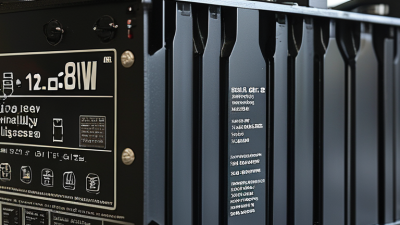
Why Choose Foya Solar Batteries for Global Projects?
Global energy systems are changing quickly. Solar generation is expanding, but sunlight remains intermittent. Batteries must therefore deliver dependable power after sunset, during cloudy weather, and through unstable grid conditions. The International Energy Agency’s Batteries and Secure Energy Transitions report states that global battery storage capacity must expand substantially by 2030 to support clean-energy targets. BloombergNEF also reported that lithium-ion battery pack prices reached approximately $115 per kilowatt-hour in 2024. These figures show stronger commercial potential, but they also expose serious quality differences.
Foya Solar Batteries are designed for projects that require practical energy control, not only attractive specifications. A properly selected system can store midday solar power, reduce evening grid purchases, and support critical loads during short interruptions. In a hot installation room, thermal management matters. In a remote village, service access matters more. Project engineers should examine cycle life, usable capacity, protection systems, certifications, monitoring functions, and warranty conditions before choosing equipment. Foya’s value should be judged through these details, not slogans.
The International Energy Agency’s Executive Director, Dr. Fatih Birol, has described batteries as “a game-changer for clean energy transitions.” His statement reflects the industry’s direction, though it should not remove careful evaluation. No battery suits every climate, tariff structure, or grid code. That is the uncomfortable part. Foya Solar Batteries can support global projects when engineering design, local compliance, installation quality, and after-sales service work together. Real reliability is measured at the site, beside the inverter, month after month.
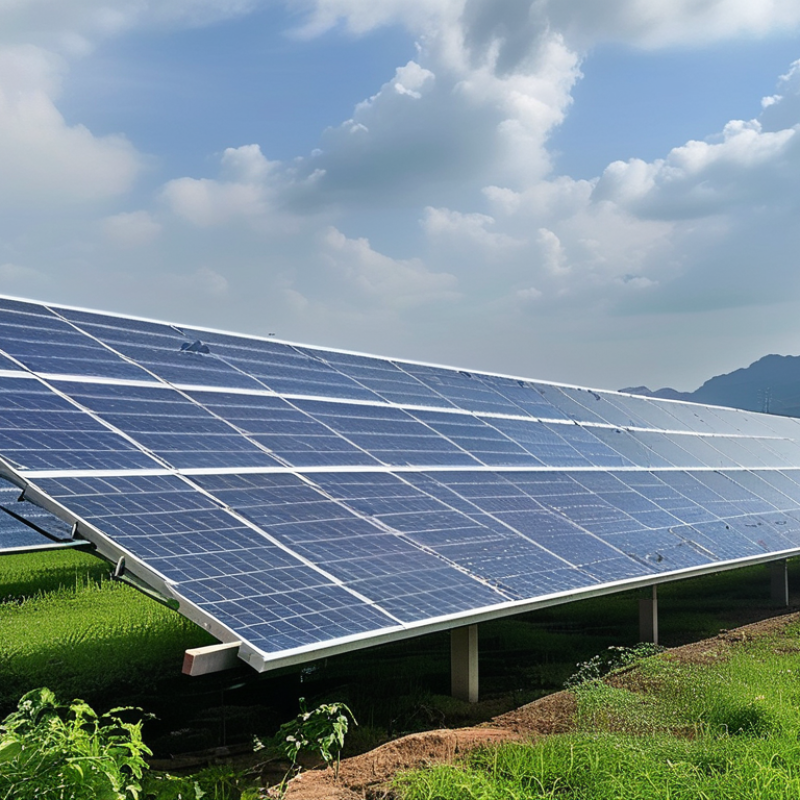
Choosing the right solar battery begins with understanding its design, not its label. For global projects, lithium iron phosphate cells offer strong thermal stability and dependable cycle performance. They also reduce fire risk when paired with correct installation and protection systems. No battery fits every site.
A modern solar battery relies on several connected technologies.
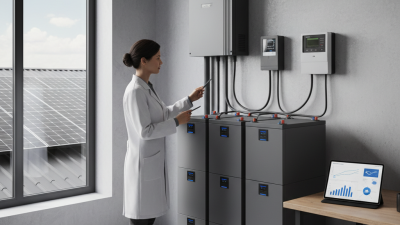
A battery management system monitors voltage, temperature, current, and cell balance continuously. It can isolate faults before they damage the wider energy system.
Thermal sensors support safer operation in hot deserts and cold mountain regions. Modular racks make capacity easier to expand as electricity demand changes.
Inverters then control charging, discharging, and communication with the local grid.
Site experience still matters more than a specification sheet.
Engineers should review humidity, dust, altitude, transport conditions, and maintenance access. Enclosures need suitable ingress protection for rain, sand, or coastal air.
Remote monitoring can reveal abnormal temperatures before a technician arrives. However, monitoring is not a replacement for inspection.
Early project designs sometimes overestimate storage needs and underestimate ventilation requirements. That mistake increases cost. Reliable planning uses measured load data, verified safety testing, and local electrical requirements. Independent certification and documented factory quality controls also help project teams compare systems with greater confidence.
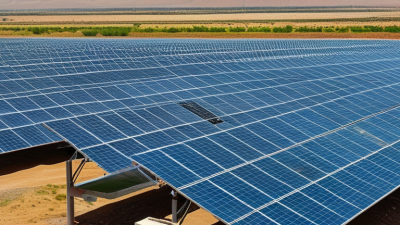
Global solar projects need batteries that perform beyond laboratory ratings. The IEA’s Batteries and Secure Energy Transitions report estimates that global energy storage must expand sixfold by 2030 for net-zero pathways. That pressure makes usable capacity, cycle life, and safety more important than headline capacity.
Foya solar batteries are designed around lithium iron phosphate chemistry, which supports strong thermal stability and frequent daily cycling. Typical systems can deliver round-trip efficiency above 90% under suitable operating conditions. Battery management systems monitor cell voltage, temperature, and state of charge continuously. In field commissioning, installers also check cable torque, ventilation, and communication settings. Small errors matter.
The IRENA Renewable Capacity Statistics 2024 report recorded 345.5 GW of new solar capacity added globally in 2023. Projects now operate across deserts, islands, and colder northern regions. Foya systems can support modular expansion, remote monitoring, and integration with common inverters. Protection functions should align with applicable IEC standards and local grid rules. Independent test records still matter. No battery performs perfectly in every climate. High humidity, dust, weak networks, and poor installation can reduce real output. Buyers should compare warranty conditions, degradation assumptions, emergency procedures, and service response times—not only price per kilowatt-hour.
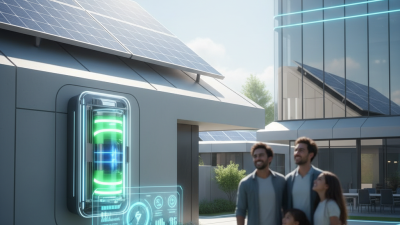
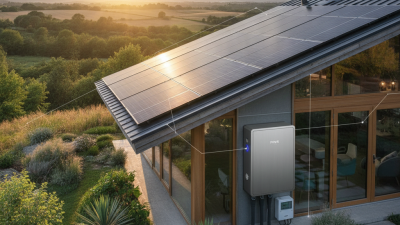
Solar batteries support residential, commercial, and industrial projects when storage matches real energy use. In homes, a properly sized battery can store midday solar power for evening lighting, refrigeration, and essential appliances. It can also provide backup during short outages. Quiet operation matters in bedrooms and compact utility spaces. Safety matters more.
Commercial buildings need a different approach. Shops, offices, and small factories often face demand charges, uneven loads, and limited roof space. Modular battery systems allow capacity to grow with operations. Industrial sites may require high discharge performance, thermal monitoring, remote diagnostics, and carefully planned ventilation. Project teams should review local grid rules, fire codes, warranty terms, and installation conditions before selecting equipment. Field experience shows that a cheaper system may cost more when maintenance access is poor. That lesson is easy to miss.
Tips: Start with twelve months of electricity data, not guesses. Check daily load peaks. Leave space for service work. Confirm compatibility with the inverter and energy management system. Ask how performance is tested in hot, cold, dusty, or humid environments. A design that works in one country may need changes elsewhere. Even accurate forecasts can be wrong, so include sensible expansion space and review performance after installation.
Why Choose Solar Batteries for Global Projects?
Global energy projects face different climates, grid conditions, and compliance requirements. A reliable battery should carry relevant certifications, not just impressive performance claims. Standards such as IEC 62619, IEC 63056, and UN38.3 may support industrial safety and transport requirements, depending on the market. Local approval still matters. Always verify certificate scope, test dates, and the exact battery model.
Safety begins inside the enclosure. A well-designed battery uses a responsive battery management system, temperature monitoring, overcurrent protection, and controlled thermal behavior. Practical experience also matters. Installers should review performance in heat, humidity, dust, and cold environments. An IP rating can indicate enclosure protection, but it does not solve every installation problem. The details matter.
Tips: Ask for test reports, factory audit records, traceability documents, and end-of-line inspection data. Confirm whether cells are consistently matched. Check warranty terms and service response times. ISO 9001-based quality processes can improve consistency, but paperwork alone proves little. A supplier should explain its sampling methods and corrective actions clearly.
Even strong systems are not perfect. Certification does not remove every operational risk. Site design, ventilation, commissioning, and maintenance can change real-world results. Independent technical review is worthwhile, especially for large projects. Reliability grows when evidence, field experience, and honest limitations are considered together.
| Evaluation Dimension | Recognized Standard or Requirement | What It Covers | Relevance to Global Solar Projects | Recommended Evidence |
|---|---|---|---|---|
| Battery Safety | IEC 62619 | Safety requirements and tests for secondary lithium cells and batteries used in industrial applications. | Supports safer operation of stationary energy-storage systems in utility, commercial, and industrial environments. | Valid certificate, test report, product model identification, and applicable certification scope. |
| North American System Safety | UL 1973 | Safety requirements for batteries used in stationary, auxiliary, and light electric-rail applications. | Useful where project specifications or authorities having jurisdiction require recognized North American battery safety evaluation. | Certification listing, installation conditions, tested configuration, and permitted battery chemistry. |
| Energy-Storage System Safety | UL 9540 | Safety evaluation of complete energy-storage systems, including batteries, power-conversion equipment, and associated controls. | Helps demonstrate that the complete system—not only the battery module—has been assessed for intended use. | System certification, approved component combinations, operating limitations, and installation instructions. |
| Thermal-Runaway Fire Propagation | UL 9540A | Test method for evaluating thermal-runaway fire propagation in battery energy-storage systems. | Provides technical data for fire-risk assessment, separation distances, ventilation, and permitting decisions. | Test report for the exact cell, module, rack, enclosure, and system configuration proposed for the project. |
| International Transport | UN 38.3 | Transport tests for lithium cells and batteries, including altitude simulation, thermal, vibration, shock, external short circuit, impact, overcharge, and forced discharge tests where applicable. | Supports lawful shipment of lithium batteries by air, sea, road, or rail when combined with applicable transport regulations. | UN 38.3 test summary, shipment classification, packaging instructions, and current product configuration. |
| Electrical Compatibility | IEC 61000 series and applicable EMC requirements | Electromagnetic compatibility, including immunity and emissions considerations for electrical and electronic equipment. | Reduces the risk of interference between batteries, inverters, protection systems, monitoring equipment, and site controls. | EMC test reports, inverter compatibility list, communication protocol documentation, and installation requirements. |
| Ingress Protection | IEC 60529 | Classification of enclosures according to protection against solids and water, expressed through an IP code. | Enables enclosure selection based on indoor, outdoor, dusty, humid, or exposed installation conditions. | Verified IP rating, test conditions, enclosure drawings, cable-entry details, and environmental limitations. |
| Quality Management | ISO 9001 | Requirements for a quality-management system focused on consistent processes, customer requirements, continual improvement, and risk-based thinking. | Improves process consistency across design, procurement, production, inspection, corrective action, and after-sales support. | Certificate issued by an accredited certification body, certification scope, validity, and audit status. |
| Environmental Management | ISO 14001 | Environmental-management systems, including environmental objectives, compliance obligations, and operational controls. | Provides a structured framework for managing environmental impacts throughout manufacturing and project delivery. | Valid certificate, scope of activities, environmental objectives, and relevant compliance records. |
| Occupational Health and Safety | ISO 45001 | Occupational health and safety management systems for identifying hazards and reducing workplace risks. | Supports safer manufacturing, installation, commissioning, maintenance, and decommissioning activities. | Certificate, certification scope, risk-assessment procedures, incident controls, and training records. |
| Grid Connection | Applicable national grid codes and utility interconnection rules | Requirements for voltage, frequency, protection, power quality, communications, and operating behavior at the point of connection. | Ensures the battery and power-conversion system can be evaluated against the rules of the target country and utility. | Country-specific compliance matrix, inverter certificates, protection settings, single-line diagram, and utility approval documents. |
| Lifecycle and Serviceability | Project-specific technical specification and warranty requirements | Defines operating temperature, depth of discharge, usable energy, cycle conditions, response time, maintenance, spare parts, and end-of-life responsibilities. | Makes performance expectations measurable and supports reliable operation across different climates and duty cycles. | Datasheet, warranty terms, degradation assumptions, preventive-maintenance plan, remote-monitoring capability, and service-level agreement. |
Note: Certification and compliance requirements vary by battery chemistry, system architecture, installation location, authority having jurisdiction, transport mode, and applicable national regulations. Evidence should be verified for the exact product configuration and current revision.
Global solar projects rarely fail because of battery chemistry alone. They fail when equipment, site conditions, and operating plans do not align. Our integration process starts with load profiles, local weather data, grid rules, and future expansion plans. Engineers then match voltage, capacity, protection, and communication protocols. This reduces surprises during container delivery and site commissioning. Every design needs evidence. We review test reports, factory records, and documented quality procedures before approval. Still, early data can be incomplete. That weakness must remain visible.
Installation teams receive drawings, cable schedules, torque requirements, and safety procedures before arrival. Remote guidance supports local electricians when access is difficult. At site, technicians check foundations, ventilation, grounding, clearances, and connection polarity. They record readings during charging and discharge tests. A commissioning report gives owners a practical baseline. Small details matter. A loose connection can create heat, downtime, or inaccurate monitoring. We also adapt the handover to local skills, language, and maintenance resources, rather than assuming one manual fits every project.
Long-term support includes firmware coordination, performance reviews, spare-parts planning, and response procedures. Monitoring data can reveal declining capacity before it affects critical loads. Scheduled inspections help verify temperature, alarms, and enclosure condition. When performance differs from forecasts, engineers investigate instead of hiding the gap. Some projects need redesign after seasonal changes or new loads. That is not failure; it is useful learning. Support remains available through documented channels, trained partners, and clear escalation paths across regions.