Leave Your Message

Top 12.8V LiFePO4 Battery for Global Buyers?

When global buyers search for a dependable 12.8v Lifepo4 Battery, the challenge is not finding a product. It is matching the battery to real operating conditions. A 12.8V pack usually contains four LiFePO4 cells connected in series. This chemistry provides stable voltage, long cycle life, and strong thermal performance. However, specifications may look better than daily results. A battery rated at 100Ah can deliver less usable energy during cold weather, heavy discharge, or aging. That difference matters.

This guide evaluates leading options through practical and technical criteria. We consider measured capacity, BMS protection, charging limits, cycle data, and warranty terms. We also inspect terminal design, enclosure strength, display accuracy, and charger compatibility. These details affect performance in RVs, boats, solar systems, and backup applications. Independent test reports and traceable certifications deserve more attention than polished marketing claims. Regional requirements also vary. Buyers should verify installation, transport, and recycling rules before purchasing. No single model fits every market.

A reliable battery should provide consistent output, clear documentation, and responsive after-sales support. It should also include protection against overcharge, over-discharge, short circuits, and excessive temperature. Field experience shows that installation quality matters nearly as much as battery chemistry. Loose terminals create heat. Incorrect charging profiles reduce service life. Even experienced buyers can overlook these issues. That is worth remembering. Our comparison focuses on practical value, verified specifications, and realistic ownership expectations, while acknowledging that test conditions are never identical. Manufacturers may also update components without changing product names, so current datasheets should always be checked before ordering.
Top 12.8V LiFePO4 Battery for Global Buyers?

What Is a 12.8V LiFePO4 Battery?

Top 12.8V LiFePO4 Battery for Global Buyers?

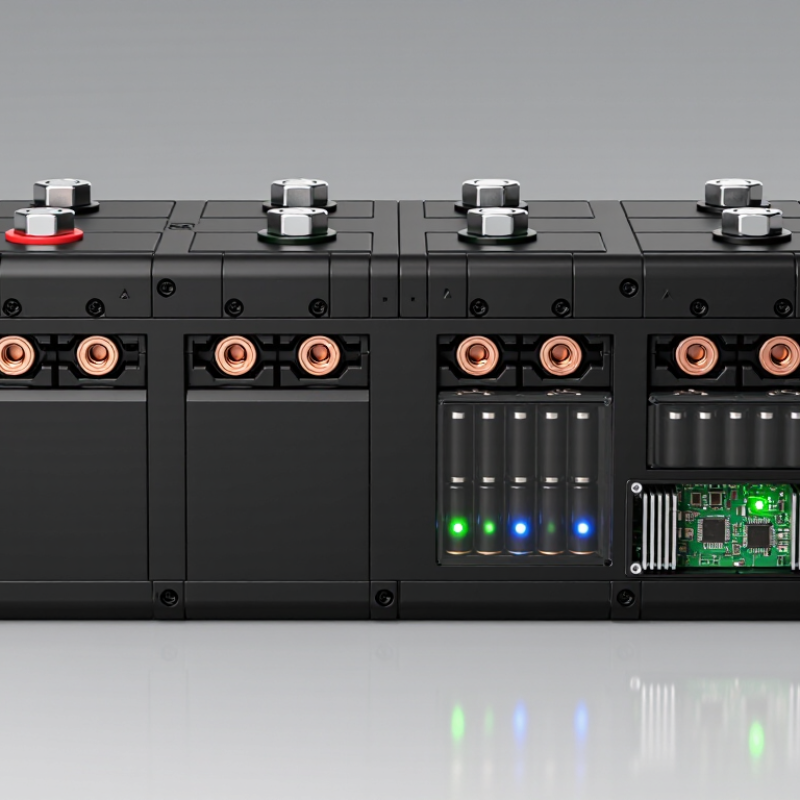
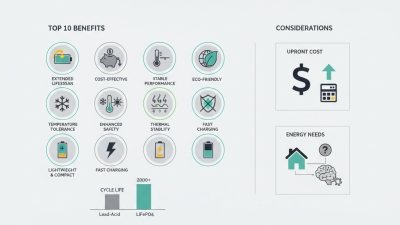
A 12.8V LiFePO4 battery is a rechargeable lithium iron phosphate battery pack. It usually contains four 3.2V cells connected in series. The combined nominal voltage is 12.8V. During charging, the voltage may rise near 14.2–14.6V, depending on the battery design and charger settings. This chemistry offers stable performance, strong thermal safety, and a long service life. It commonly powers solar storage systems, marine equipment, backup devices, and recreational vehicles. Unlike lead-acid batteries, it can deliver usable energy with less weight. Still, capacity claims should not be accepted without checking test conditions.

Tips: Match the battery with a LiFePO4-compatible charger. Check the continuous discharge rating, not only the peak figure. A built-in battery management system should protect against overcharge, over-discharge, excess current, and temperature problems. Keep the battery dry and secure. Cold charging needs special care because low temperatures can damage the cells. Small details matter.

In practical use, a 100Ah battery may provide about 1.28kWh at its nominal voltage. Actual energy depends on temperature, load, wiring, and the protection system. A high-current appliance can reduce available capacity. I have seen buyers focus on cycle numbers while overlooking installation quality. That is a weak comparison. Cycle life is also not a fixed promise; depth of discharge, charging habits, and storage conditions change the result. A careful buyer should review test reports, warranty terms, safety certifications, and replacement support before choosing a 12.8V model.
Key Specifications and Performance Factors to Compare

Top 12.8V LiFePO4 Battery for Global Buyers?

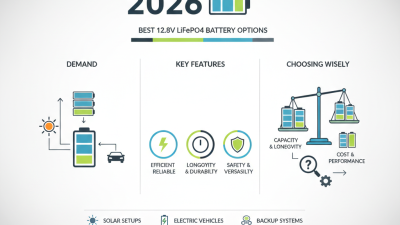
A dependable 12.8V LiFePO4 battery normally uses four series-connected cells. Its charged voltage often reaches 14.4–14.6V. Compare usable capacity, not only the printed amp-hour rating. A battery rated at 100Ah may deliver less energy under high current or cold conditions. Check continuous and peak discharge ratings carefully. Also inspect the BMS limits, low-temperature charging cutoff, and communication options.

The IEA’s Global EV Outlook 2024 reports that LFP batteries represented nearly 40% of the global electric-car battery market in 2023. This supports their growing reputation for thermal stability and cost efficiency. However, cycle-life claims require context. Test conditions, discharge depth, temperature, and charging speed can change results significantly. A stated 4,000-cycle figure is not automatically realistic in every installation. BloombergNEF’s 2024 Battery Price Survey reported an average lithium-ion pack price of 115 US dollars per kWh, but small-format batteries may cost more per kWh because of casing, electronics, and certification.

Tips: Request test conditions, not promotional figures. Verify IEC 62620 alignment where relevant, UN 38.3 transport test evidence, ingress protection, warranty terms, and the exact operating temperature range. Compare weight and dimensions against your real installation space. A heavier case is not always safer, and a larger capacity label may hide limited continuous output.

How to Choose the Right Capacity and Battery Configuration

Top 12.8V LiFePO4 Battery for Global Buyers?

How to Choose the Right Capacity and Battery Configuration

Choosing capacity starts with your real energy demand, not the largest number on a product label. List each load, its wattage, and daily operating hours. A 60-watt refrigerator running for eight hours needs about 480 watt-hours. At 12.8 volts, that equals roughly 37.5 amp-hours before losses. Add a practical reserve for cold weather, wiring, and unexpected use.

Capacity matters.

For many small systems, a 50Ah battery suits lights, communication devices, and short camping trips. A 100Ah unit gives more flexibility for refrigerators, pumps, and auxiliary electronics. I usually avoid planning around the full rated capacity. Leaving a reserve can improve reliability and reduce stressful low-voltage shutdowns. My early mistake was sizing only for average demand. Starting currents later exposed the weakness.

Configuration depends on both voltage and current. One 12.8V battery works for standard 12V equipment. Connecting batteries in parallel increases amp-hours while keeping voltage similar. Series connections raise voltage, but every battery should have matching specifications, age, and charge condition. Confirm that the battery management system supports the intended arrangement. Use a compatible LiFePO4 charger with the correct charging profile. Check cable thickness, fuse placement, connector ratings, and ventilation around nearby equipment. In cold regions, charging below the permitted temperature can cause damage. Local climate and transport conditions deserve attention. Even careful calculations can miss real-world peaks. Testing the system under its heaviest expected load is more dependable than trusting a spreadsheet alone.

Top 12.8V LiFePO4 Battery for Global Buyers? How to Choose the Right Capacity and Battery Configuration

A 12.8V LiFePO4 battery typically uses four 3.2V cells connected in series (4S). Nominal energy is calculated as voltage multiplied by capacity: 12.8V × Ah. Choose capacity according to the required load, operating hours, available charging energy, and installation space. Actual usable energy depends on the battery management system, discharge limit, temperature, and application conditions.

Top Applications for 12.8V LiFePO4 Batteries Worldwide

Top Applications for 12.8V LiFePO4 Batteries Worldwide

A 12.8V LiFePO4 battery fits many low-voltage systems with steady daily energy demands. Its four-cell design delivers stable power for recreational vehicles, camper vans, and small boats. Users often replace heavy lead-acid batteries to gain more usable capacity and longer cycle life. In a camper, one battery can run LED lights, a water pump, and communication devices overnight. Marine installations need sealed construction, secure terminals, and protection against vibration and salt air. That detail matters.

Solar energy storage is another major application. A 12.8V battery can support small off-grid cabins, garden offices, and emergency lighting systems. It also works well with portable solar panels and compact inverters. A suitable battery management system should provide overcharge, over-discharge, short-circuit, and temperature protection. Cold charging requires special attention because lithium cells may suffer damage below freezing. Not every battery includes heating.

Telecommunication backup, mobility equipment, and remote monitoring devices also benefit from this voltage class. Installers should check charging voltage, continuous current, connector size, and available space before purchasing. In my experience, capacity labels can create unrealistic expectations when users ignore inverter losses and peak loads. A 100Ah battery does not deliver unlimited power. Local electrical rules, transport requirements, and relevant safety testing should guide final selection. Performance depends on the whole system.

Top 12.8V LiFePO4 Battery for Global Buyers? - Top Applications for 12.8V LiFePO4 Batteries Worldwide

Typical application guidance for 12.8V LiFePO4 battery systems. Capacity, current, cycle life, and operating limits vary by cell design, battery-management system, temperature, and manufacturer specifications.
Application Typical Capacity Range Typical Continuous Load Why 12.8V LiFePO4 Is Suitable Important Selection Criteria Common Global Use
Recreational Vehicles and Campervans 100–300 Ah 500–2,000 W inverter loads High usable energy, low weight compared with lead-acid batteries, and good resistance to repeated deep cycling. Low-temperature charging protection, Bluetooth or display monitoring, vibration resistance, and compatibility with the vehicle charging system. North America, Europe, Australia, New Zealand, and parts of South America.
Marine and Boat Auxiliary Power 100–400 Ah 100–300 A short-duration loads; lower continuous loads are typical Stable voltage during discharge, strong cycle performance, and reduced battery weight for onboard systems. Marine-grade enclosure, moisture protection, secure terminals, battery-management system, and proper isolation from engine-start circuits. Mediterranean countries, Northern Europe, North America, Southeast Asia, and Oceania.
Residential Solar Energy Storage 100–400 Ah per 12.8V module 50–200 A per module, depending on design Efficient storage for daily solar energy shifting and compatibility with 12V-class inverters and DC loads. Parallel connection limits, inverter compatibility, round-trip efficiency, thermal management, and certified protection features. Regions with rooftop solar adoption, including Europe, Australia, North America, Africa, and Asia.
Off-Grid Solar Systems 100–600 Ah 10–150 A continuous DC loads Long service potential, low maintenance, and good performance where grid electricity is unavailable or unreliable. Solar charge-controller settings, cold-weather charging control, dust protection, serviceability, and expansion capability. Rural and remote areas in Africa, Asia, Latin America, island regions, and Australia.
Telecommunications Backup 100–300 Ah 20–100 A continuous loads Compact backup storage with stable discharge voltage and lower routine maintenance than flooded lead-acid systems. Remote monitoring, high-temperature performance, rack or cabinet mounting, surge protection, and documented safety testing. Mobile-network and communications sites worldwide, especially in regions with unstable grids.
Uninterruptible Power Supply Systems 50–200 Ah Application-dependent; often sized for short backup periods Fast response, low self-discharge, and consistent voltage for networking, security, and control equipment. UPS charging profile, peak-current capability, automatic shutdown communication, and installation ventilation. Offices, retail facilities, small data rooms, security systems, and industrial control sites worldwide.
Electric Mobility and Mobility Scooters 20–100 Ah 20–80 A, depending on motor rating Lower mass, high usable capacity, and a relatively flat discharge-voltage profile. Peak discharge current, enclosure dimensions, connector type, charger compatibility, and protection against vibration. Urban and suburban markets in Europe, Asia, North America, and Australia.
Golf Carts and Low-Speed Electric Vehicles 100–200 Ah 100–300 A peak motor demand may occur Suitable for repeated charge-and-discharge cycles and typically requires less maintenance than lead-acid alternatives. Peak-current rating, battery-management system, series connection support, charger configuration, and mechanical fit. Resorts, campuses, residential communities, golf facilities, and industrial sites worldwide.
Floor-Care and Industrial Cleaning Equipment 50–200 Ah 30–150 A, depending on equipment size Supports frequent daily cycling and can reduce downtime associated with battery maintenance. High-vibration design, rapid-charging compatibility, battery compartment dimensions, and thermal protection. Warehouses, airports, shopping centers, hospitals, and manufacturing facilities worldwide.
Portable Power Stations 50–300 Ah 300–2,000 W through an inverter, depending on system design Good cycle durability for camping, emergency power, field work, and backup use. Energy-management electronics, inverter surge rating, USB and DC outputs, thermal sensors, and transport requirements. Outdoor recreation, emergency preparedness, remote work, and field operations worldwide.
Security, Access Control, and Surveillance 20–100 Ah 5–50 A continuous loads Reliable standby energy for cameras, alarms, gates, sensors, and access-control equipment. Standby charging behavior, temperature range, enclosure rating, alarm contacts, and long-term storage performance. Commercial buildings, transportation facilities, residential sites, and remote infrastructure worldwide.
Electric Fences and Agricultural Equipment 20–100 Ah Low continuous loads with brief pulse demands Well suited to solar-supported rural installations and periodic deep-discharge operation. Weather-resistant enclosure, solar-controller compatibility, surge tolerance, seasonal storage, and service access. Farms, ranches, plantations, and remote agricultural facilities across multiple climates.
Core 12.8V LiFePO4 Buyer Reference: A 12.8V battery normally uses four lithium iron phosphate cells connected in series. The nominal voltage is approximately 12.8V, while a typical full-charge voltage is approximately 14.4–14.6V. Buyers should verify the permitted charge temperature, discharge-temperature range, continuous and peak current ratings, battery-management-system functions, enclosure rating, certification requirements, and charger compatibility before purchase.

Safety, Certification, Warranty, and Global Purchasing Considerations

Top 12.8V LiFePO4 Battery for Global Buyers?

A 12.8V LiFePO4 battery usually contains four cells and a battery management system. Buyers should verify balancing, overcharge protection, short-circuit protection, and low-temperature charging control. A battery can look excellent externally yet contain weak cell matching. Inspect the datasheet, terminal design, enclosure, and BMS limits before purchase. Small details matter.

Certification depends on the destination and application. UN38.3 testing supports lithium battery transport, but it does not prove long-term performance. IEC 62619 may suit certain industrial applications, while other markets may request different safety evidence. CE marking reflects applicable European conformity requirements, not a universal quality guarantee. Request current test reports, scope, laboratory details, and model numbers. Do not accept a generic certificate.

Warranty terms deserve equal attention. Check the covered period, cycle conditions, usable capacity, repair process, and exclusions for storage or incorrect charging. A ten-year statement may hide strict temperature and depth-of-discharge limits. Global buyers should also confirm plug compatibility, shipping classification, customs documents, spare-part access, and local technical support. Ask whether replacement units can cross borders without delays. I would request a sample before ordering pallets. It costs more initially. It can reveal loose terminals, confusing labels, or inaccurate capacity claims. No battery fits every climate or load profile, and even careful purchasing can leave unanswered questions.