Leave Your Message

China Top 10 12V 7Ah Lithium Battery Manufacturers?

China has become a major sourcing destination for compact energy-storage products. This guide examines China’s top 10 12v 7ah Lithium Battery manufacturers through practical, evidence-based criteria. It focuses on product quality, manufacturing experience, technical capability, and after-sales reliability. These factors matter when a battery powers alarm panels, emergency lighting, access-control systems, or small backup devices.

A dependable supplier should explain its cell chemistry, battery management approach, cycle-life testing, operating temperature range, and protection design. Certifications and test records also deserve careful review. Documents such as UN38.3, IEC-related reports, and quality-management certificates can support responsible purchasing. However, paperwork alone is not enough. Factory audits, sample testing, traceable production batches, and clear warranty terms reveal more about daily performance.

Details matter.

A strong manufacturer should provide stable dimensions, secure terminals, consistent capacity, and safe charging instructions. It should also support OEM labeling without weakening quality control. Buyers may compare sealed lithium formats, charging voltage, discharge behavior, and expected service life before making a decision. Some suppliers appear impressive online but offer limited technical evidence. That gap deserves attention.

This ranking should not be treated as permanent. Prices, factory capability, certifications, and export performance can change. The available information may also be incomplete. Therefore, readers should confirm current specifications directly with each manufacturer. The goal is not to promote one company blindly. It is to help buyers make a more informed, cautious, and technically sound choice when selecting a 12v 7ah Lithium Battery supplier from China.
China Top 10 12V 7Ah Lithium Battery Manufacturers?

What Is a 12V 7Ah Lithium Battery?

A 12V 7Ah lithium battery stores electrical energy for compact equipment, backup systems, alarms, and mobility devices. “12V” describes its nominal voltage, while “7Ah” indicates its charge capacity under specified testing conditions. The label sounds precise, but it is not. A typical lithium iron phosphate pack uses four cells, giving about 12.8V nominal voltage and 89.6Wh of theoretical energy. Charging voltage may reach 14.6V. Actual usable energy depends on temperature, discharge current, wiring, and the battery management system.

IEC 61960-3 requires lithium battery capacity testing under defined conditions, including discharge current and cutoff voltage. Therefore, two batteries marked 7Ah may perform differently in real equipment. The U.S. Department of Energy reports that lithium-ion cells commonly provide much higher energy density than lead-acid cells, often around 150–250Wh/kg. The IEA Global EV Outlook 2024 also notes that lithium iron phosphate chemistry usually costs less than nickel-based chemistry, but offers lower energy density. That trade-off matters in a small 12V pack.

A reliable design should include overcharge protection, over-discharge control, cell balancing, and temperature monitoring.

Do not judge quality from capacity alone. A weaker point remains: advertised runtime often assumes gentle laboratory conditions, not a cold room or an aging load.
Key Criteria for Evaluating Chinese Battery Manufacturers

Choosing among China’s top 10 12V 7Ah lithium battery manufacturers requires more than comparing prices. Verify the cell chemistry, usable capacity, discharge rate, and battery management system. A reliable supplier should provide test records from controlled samples, not only a polished datasheet. Check whether the stated 7Ah capacity remains accurate at your intended load and temperature.

Factory experience becomes visible during a technical audit. Look for automated welding, cell matching, insulation checks, and end-of-line testing. Ask how each battery receives a serial number and production record. Traceability matters when one unit shows unusual voltage after several months. Request sample batteries from different production batches. One perfect sample proves very little.

Safety evidence deserves careful attention. Review protection against overcharge, over-discharge, short circuits, and excessive temperature. Confirm the supplier’s quality system, transport documentation, test reports, and applicable market certifications. A clear warranty should define cycle expectations, storage conditions, and replacement procedures. Communication also reveals professionalism. Engineers should answer specific questions about current limits and charging profiles. Vague replies are warning signs.

Inspect the enclosure, terminals, labels, and connector strength in person. Small details matter. During evaluation, record capacity, voltage balance, charging time, and heat rise under realistic use. Some manufacturers may offer impressive cycle figures, but testing conditions can differ greatly from your application. I would not trust a claim without repeatable evidence. Even experienced buyers can overlook humidity, storage time, or idle current. That weakness deserves a second review.

China’s Leading 12V 7Ah Lithium Battery Manufacturers

China’s leading 12V 7Ah lithium battery manufacturers serve alarms, emergency lighting, access systems, and small backup devices. The strongest producers usually offer 12.8V LiFePO4 batteries with stable output and built-in battery management systems. These systems help control overcharge, over-discharge, and short-circuit risks.

Practical evaluation should go beyond capacity labels. Check cell quality, weld consistency, BMS settings, charging temperature range, and measured runtime. A reliable factory can provide test reports, traceable production records, and clear warranty terms. It should also explain transport testing and applicable safety requirements. A polished datasheet is not proof. Sample testing still matters. Some suppliers report impressive cycle figures under gentle laboratory conditions, but real devices may perform differently.

Tips: Request three samples from one production batch. Measure voltage after charging, then record runtime under a known load. Inspect the enclosure, terminals, labels, and connector fit. Ask whether capacity testing occurs at 0.2C or another rate. This detail changes comparisons. Buyers should also confirm storage guidance and replacement support before placing a larger order. I would not choose the lowest quotation automatically. Small savings can become costly when capacity, consistency, or after-sales response is weak.

China's Leading 12V 7Ah Lithium Battery Manufacturers

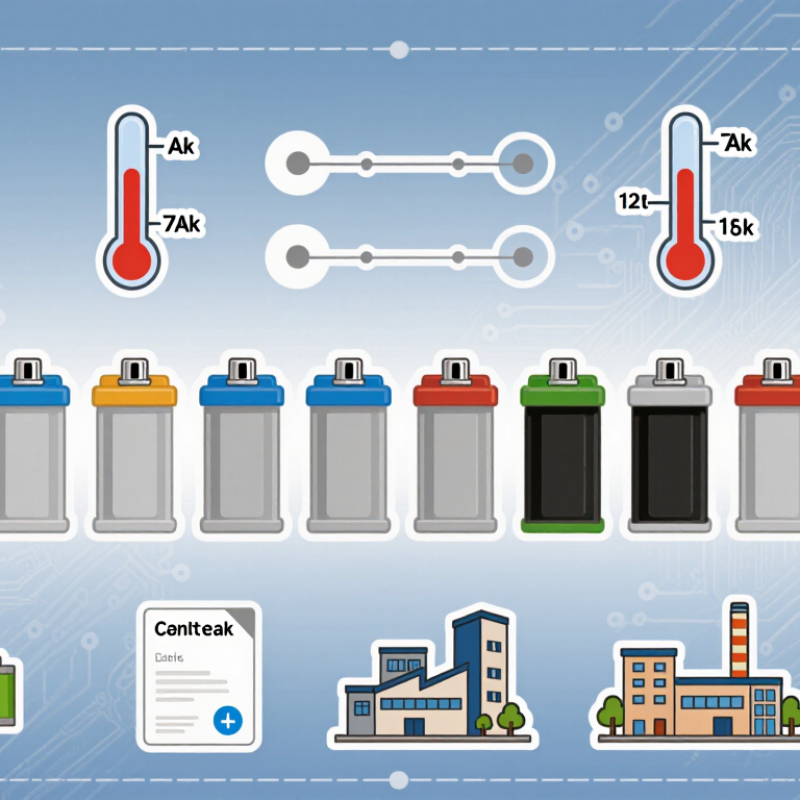
Technical benchmark of lithium chemistries commonly used in 12V 7Ah battery products. The comparison focuses on nominal cell voltage and typical cycle-life potential rather than individual companies or brands.

LiFePO₄ is widely selected for 12V-class batteries because of its 3.2V nominal cell voltage, strong thermal stability, and long cycle life. Actual performance depends on the battery management system, operating temperature, depth of discharge, charging profile, and cell quality.

Product, Safety, Certification, and Production Comparisons

When comparing the top 10 12V 7Ah lithium battery manufacturers, product design deserves close attention. A reliable unit should provide stable voltage, low weight, and a clearly stated usable capacity. Lithium iron phosphate cells often offer strong cycle performance and improved thermal stability. However, advertised capacity may differ from real output under continuous loads. Always check test conditions.

Safety depends on more than the cell chemistry. A well-designed battery includes protection against overcharge, over-discharge, short circuits, and excessive current. A temperature sensor adds another practical safeguard. I would also examine enclosure strength, terminal insulation, and resistance to vibration. Small details matter. A certificate alone proves limited value without traceable test reports. Relevant evidence may include IEC 62133-2, UN38.3 transport testing, and an applicable management system such as ISO 9001.

Production quality separates serious manufacturers from simple assemblers. During factory evaluations, I look for incoming cell inspection, automated welding, battery management system calibration, and end-of-line capacity testing. Consistent cell matching is essential for balanced charging and longer service life. Lot numbers should connect finished batteries with production records. That matters. Some suppliers publish impressive cycle figures but omit temperature, discharge rate, or remaining-capacity limits. This weakens comparison accuracy. A fair review should therefore compare identical test methods, warranty terms, inspection controls, and after-sales response, rather than relying on price or attractive specifications.

How to Select the Right Manufacturer for Your Application

Choosing among China’s top 10 12V 7Ah lithium battery manufacturers requires more than comparing prices. Start with your application’s real conditions. Check operating temperature, discharge current, installation space, and daily runtime. A security device may need steady low-current output, while a portable instrument may require lighter weight and stronger vibration resistance.

Ask each manufacturer whether the battery uses lithium iron phosphate or another lithium chemistry. The nominal voltage, charging limits, and charger requirements can differ. Request the battery management system specifications, including overcharge, over-discharge, short-circuit, and temperature protection. Also verify capacity at a stated discharge rate, not only the advertised 7Ah figure. Small details matter.

Inspect sample units before placing a large order. Measure terminal fit, enclosure strength, cable quality, and actual weight. Request recent test reports, production traceability, and safety certification documents relevant to your destination market. A responsible manufacturer should explain cell grading, aging procedures, warranty terms, and replacement handling clearly. Visit the factory when possible, or arrange an independent inspection. Photos are not enough.

Be careful with cycle-life promises. Results may depend on temperature, charging speed, and depth of discharge. One successful sample proves little. I would test several batches under the same load and record voltage drop over time. Some buyers focus too much on unit cost and later discover inconsistent capacity. That mistake is expensive. A clear technical drawing and written acceptance standard can prevent it.

China Top 10 12V 7Ah Lithium Battery Manufacturers? - How to Select the Right Manufacturer for Your Application

Manufacturer Selection Matrix for 12V 7Ah Lithium Battery Projects

No. Evaluation Dimension Recommended Technical Requirement What the Manufacturer Should Provide Application Relevance Verification Method
1 Cell Chemistry LiFePO₄, 4 cells in series; nominal pack voltage is typically 12.8 V. Cell datasheet, chemistry declaration, material traceability, and confirmation that the battery is not a lead-acid replacement with incompatible charging parameters. LiFePO₄ generally provides higher usable energy and longer cycle life than a comparable lead-acid battery when correctly managed. Review the cell model, safety data, incoming inspection records, and sample test results.
2 Rated Capacity 7 Ah at the stated test condition, including discharge current, end-of-discharge voltage, and temperature. A capacity test report identifying test current, ambient temperature, charge method, rest time, and cutoff voltage. Actual runtime depends on load current, temperature, aging, and the equipment’s low-voltage cutoff. Conduct a capacity test using the same conditions specified in the quotation or datasheet.
3 Charge Voltage For a common 4S LiFePO₄ pack, the constant-voltage limit is commonly around 14.4–14.6 V; the exact value must follow the cell supplier’s specification. Recommended charger profile, maximum charge current, balancing strategy, and charger compatibility statement. Incorrect charging voltage can reduce service life, trigger protection, or create a safety risk. Compare the battery specification with the charger output and verify voltage using calibrated equipment.
4 Discharge Performance Continuous and peak discharge current should be specified separately, with duration and temperature limits. Discharge curves at relevant currents, BMS continuous-current rating, peak-current duration, and voltage-sag data. Medical equipment, alarm systems, networking devices, and backup systems may require different surge-current capabilities. Perform a constant-current test and a short-duration surge test representative of the application.
5 Battery Management System BMS protection should cover overcharge, over-discharge, over-current, short circuit, and temperature conditions. BMS protection thresholds, balancing method, recovery logic, standby current, communication options, and fault records. A correctly matched BMS helps prevent cell damage and improves pack consistency during repeated use. Review the BMS specification and test protection functions on production-intent samples.
6 Cycle-Life Evidence Cycle-life claims must state depth of discharge, charge/discharge current, temperature, end-of-life capacity, and test sample size. Laboratory cycle-life report with test protocol and capacity-retention graph; avoid unsupported claims based only on nominal cell data. Cycle life is strongly affected by operating temperature, charging voltage, discharge rate, storage state of charge, and depth of discharge. Check whether the test conditions match the planned operating profile and request independent validation where required.
7 Operating Environment Specify charging and discharging temperature ranges separately; low-temperature charging may require protection or heating. Temperature limits, thermal-sensor location, low-temperature charge cutoff, storage conditions, and optional heating design. Outdoor, telecom, solar, marine, and cold-region applications require more detailed thermal management than indoor standby use. Review environmental test results and evaluate the pack in the lowest and highest expected operating conditions.
8 Safety and Transport Compliance Relevant documentation may include UN 38.3 test evidence for transport and applicable product safety standards for the intended market. UN 38.3 test summary, safety data sheet, shipment classification, compliance declarations, and applicable laboratory reports. Documentation requirements vary according to chemistry, battery configuration, shipment method, and destination market. Verify documents directly against the offered battery model and production configuration.
9 Mechanical and Electrical Integration Confirm dimensions, terminal type, polarity, mounting orientation, connector, enclosure material, and protection rating where needed. 2D or 3D drawings, tolerance information, terminal torque requirements, wiring diagram, connector specification, and sample approval procedure. A nominal “12 V 7 Ah” rating does not guarantee compatibility with the original battery compartment or cable assembly. Check a production sample against the equipment drawing and perform fit, polarity, vibration, and connection tests.
10 Quality Control and Supply Capability Use documented incoming, in-process, aging, end-of-line, and shipment inspection procedures. Quality system information, cell-matching method, serial-number traceability, warranty terms, change-control procedure, and production lead time. Consistent cell matching and traceability are important when buying repeated batches or deploying many units in the field. Request a quality audit, inspect sample records, define acceptance criteria, and approve a pre-production sample.